By Counsel Twinobusingye Severino
For decades, Karamoja has carried a burden that Uganda, and indeed the world, can no longer ignore: a persistent, deeply entrenched education deficit that begins in primary school and stretches all the way to university level. The statistics are not just grim; they are a moral indictment.
In Karamoja, dropping out of school is not an exception. It is the norm.
Reports over the years have told this story with unsettling consistency. Violence, poverty, hunger, and distance have conspired to push children out of classrooms and into cycles of survival. A 2023 Global Press Journal report painted a stark picture: insecurity had returned with force, driving both learners and teachers away from schools. In rural areas, only a fraction of children, about 15 percent, were able to attend school. The rest were left behind, not by choice, but by circumstance.
The consequences are devastating. More than half of pupils do not complete primary education. Many drop out as early as Primary Five. For girls, early marriage looms as an alternative path; for boys, cattle rustling becomes both occupation and identity. Poverty compounds everything—forcing children into mining, domestic labour, or long treks that make schooling nearly impossible.
According to the Uganda Bureau of Statistics, a staggering 74.2 percent of primary school-age children in Karamoja are out of school. Literacy stands at just 24 percent, far below the national average. These are not just numbers; they represent a generation systematically denied opportunity.
Yet beneath this bleak reality lies a deeper, often overlooked problem: the absence of a clear educational pathway beyond secondary school.
Even for the few who manage to persevere through O and A levels, the journey typically ends there. University education remains geographically distant, financially inaccessible, and socially out of reach. For many families, sending a child to a university outside Karamoja is simply not an option.
This is where the idea of Karamoja Peace and Technology University (KAPATU) becomes not just relevant, but transformative.
KAPATU is more than a university project. It is a statement of intent. A declaration that Karamoja’s children deserve the same educational continuum as any other Ugandan child. Conceived through the vision of the Catholic Lawyers’ Society International (CLASI) and backed by the Kotido Catholic Diocese and government partners, KAPATU represents a long-awaited intervention in a region historically excluded from higher education infrastructure.
Its significance cannot be overstated.
For the first time, Karamoja will have its own university, rooted in its realities, responsive to its needs, and accessible to its people. Located in Losilang, Kotido Municipality, and supported by satellite campuses across the sub-region, KAPATU promises to bring higher education within physical and financial reach.
And that changes everything.
When students can see a university within their own region, education ceases to be an abstract ideal and becomes a tangible goal. Retention improves. Motivation strengthens. Aspirations expand. The dropout crisis, long fuelled by a lack of opportunity, begins to lose its grip.
Listen to the voices of the students themselves. For many, KAPATU is not just an institution; it is hope made visible. A Senior Six candidate who once saw university as an unattainable dream now speaks of becoming part of the pioneer class. Another, aspiring to join the nursing profession, sees in KAPATU a pathway that was previously unimaginable.
These are not isolated sentiments, they reflect a collective yearning.
The overwhelming turnout during the project’s unveiling last November was not merely ceremonial. It was symbolic. Karamoja is ready. Ready to rewrite its story. Ready to prioritise education as the cornerstone of its socio-economic transformation.
But readiness alone is not enough.
The future of this transformative vision now rests with the National Council for Higher Education (NCHE). The granting of a provisional licence to KAPATU is not a procedural formality, it is a historic decision. One that could either accelerate or delay Karamoja’s journey toward educational equity.
If approved, KAPATU will do more than produce graduates. It will disrupt cycles of poverty, reduce school dropout rates, and redefine what is possible for an entire region. It will ensure that dropping out is no longer dictated by lack of access, but becomes a matter of personal choice—rare, not routine.
Karamoja has waited long enough.
The question is no longer whether the region deserves a university. It is whether the country is prepared to correct a long-standing imbalance and invest in a future where every child, regardless of geography, has a fair shot at education.
KAPATU offers that chance.
It must not be delayed.
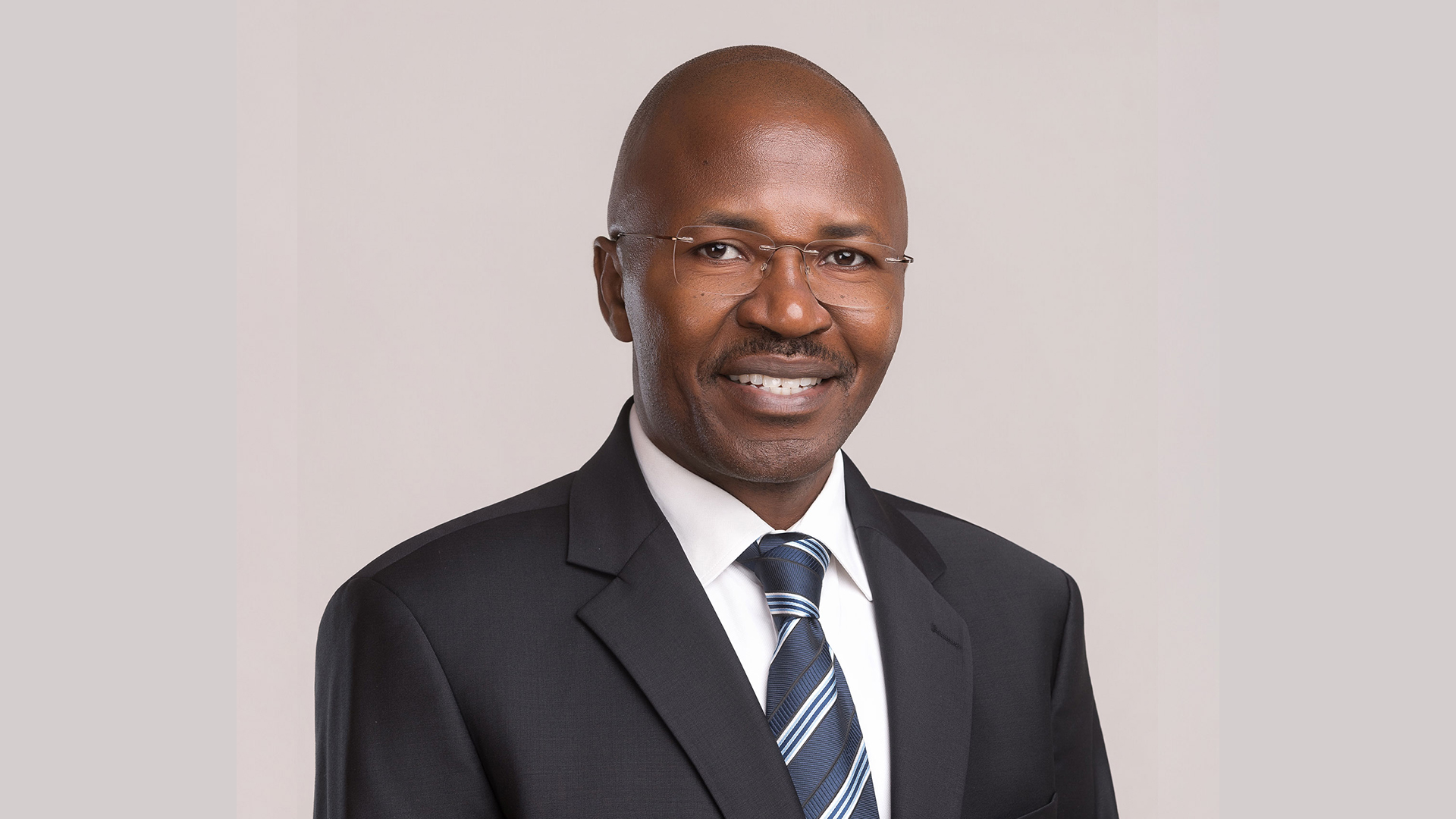
The Writer is Chairperson KAPATU Council
ABOUT KAPATU
KAPATU is a Nucleus National Public University established jointly by the Roman Catholic Dioceses of Kotido and Moroto, the Catholic Lawyers Society International (CLASI), headed by its president, Counsel Severino Twinobusingye, and the government of Uganda. Its main campus is situated at Losilang, Kotido municipality (Karamoja). The initiative aims to foster peace and sustainable development in the region through education.
It was conceived in 2014 but actualised on 29th April, 2023, in a colourful ceremony at Nsambya presided over by the Vice President of Uganda, H.E. Maj. Jessica Rose Epel Alupo, who represented H.E. the President. The KAPATU project is being overseen by a Strategic Leadership Committee comprising President Yoweri Kaguta Museveni (Chair/Founding Chancellor), Vice President Jessica Rose Epel Alupo (Founding Deputy Chancellor), and First Lady, also Minister for Education and Sports, Maama Janet Kataha Museveni.
The government has, in the FY2025/26, allocated Shs180bn for the university’s establishment following a special cabinet sitting on 16th December 2024, chaired by H.E. the President and also attended by H.E. the Vice President.